

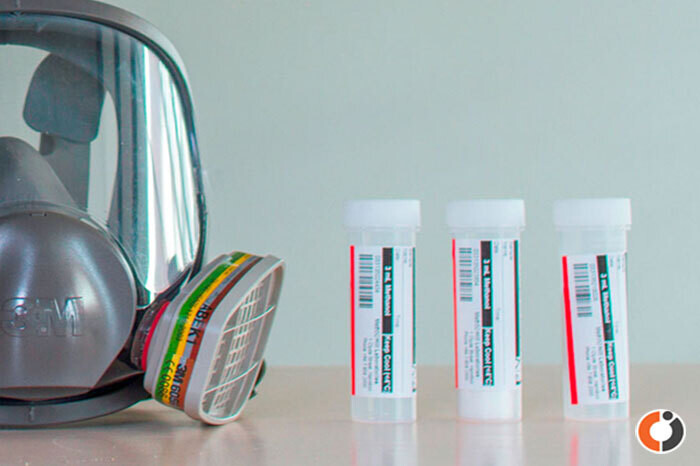
Methamphetamine Testing
You Can't See Meth Contamination.
Testing Can Help You Know Before You Buy.
Methamphetamine contamination can remain on interior surfaces long after the activity that caused it has stopped. A property does not necessarily need to have been used as a methamphetamine laboratory to have contamination concerns. Methamphetamine use, storage, or manufacture within a property may leave residue on walls, ceilings, floors, cabinetry, and other interior surfaces.
A standard home inspection cannot determine whether a property is contaminated with methamphetamine through visual observation alone. A home may appear clean, remodeled, or freshly painted and still warrant testing when there is a known history, suspicious conditions, or when a buyer simply wants additional information about the property.
Why Consider Methamphetamine Testing?
Utah has established standards governing methamphetamine-contaminated properties and their decontamination. When contamination exceeds applicable standards, professional decontamination may involve specialized cleaning, removal of affected materials, additional testing, and other corrective measures.
For a homebuyer, discovering significant contamination after purchasing the property can result in unexpected remediation costs and disruption. Testing before purchasing can provide valuable information when evaluating the condition of the property.
When Should You Consider Testing?
- Known or Suspected Drug Activity – Previous methamphetamine use, storage, manufacture, or other reported drug activity at the property.
- Unusual Chemical Odors – Persistent or unexplained chemical-type odors within the home, garage, basement, or outbuildings.
- Unusual Staining or Residue – Unexplained staining, residue, chemical containers, or other suspicious conditions.
- Rental or Investment Properties – Properties with an unknown or incomplete occupancy history may warrant additional due diligence.
- Previously Remediated Properties – Testing may provide additional information regarding previously identified or remediated contamination.
- Peace of Mind – Testing may also be requested when no visible evidence is present but the buyer wants additional information before purchasing the property.
Professional Sampling & Laboratory Analysis
Champion Inspect collects surface samples from selected areas of the property using established sampling procedures. Samples are submitted to a professional laboratory for analysis to determine the amount of methamphetamine residue detected in the collected samples.
Laboratory results provide objective information that can be compared with applicable Utah standards. If elevated methamphetamine contamination is identified, additional evaluation, testing, and/or decontamination by appropriately qualified professionals may be necessary.
Utah Takes Methamphetamine Contamination Seriously.
Utah law establishes standards and procedures addressing methamphetamine-contaminated properties. Properties determined to be contaminated may require decontamination in accordance with applicable state and local requirements before they are considered decontaminated.
Methamphetamine contamination cannot be reliably identified by appearance alone. If you have concerns about a property's history, testing provides information that a visual home inspection simply cannot.
Know Before You Buy.
Add Methamphetamine Testing to your Champion Inspect home inspection for additional information and peace of mind about the property you're considering purchasing.
Laboratory turnaround times vary and begin after the laboratory receives the samples. Expedited testing may be available depending on laboratory availability.