

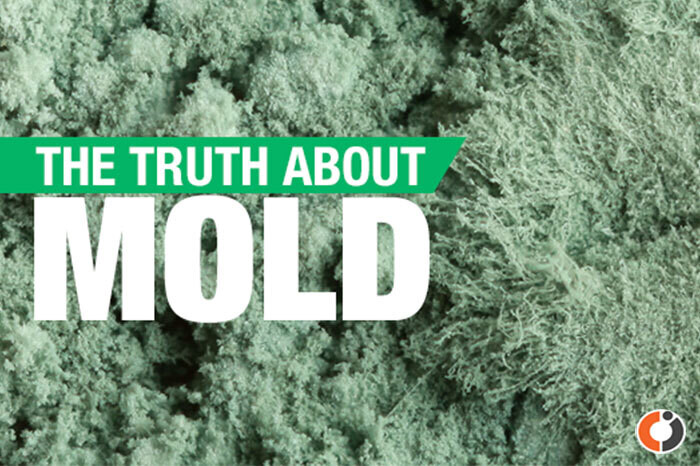
Mold Testing
Moisture Problems Aren't Always Visible.
Mold Testing Can Provide More Information.
Some moisture and mold-related problems are obvious. Others may be concealed behind walls, beneath flooring, inside cabinets, around plumbing fixtures, within attics or crawlspaces, or in other areas that cannot be completely evaluated during a visual home inspection.
A musty or mold-like odor, visible staining or growth, previous water damage, plumbing leaks, roof leaks, elevated moisture readings, or unexplained moisture conditions may indicate that additional investigation is warranted.
When concerns are identified, Champion Inspect can collect air and/or surface samples for laboratory analysis. Testing can provide additional information about the types and concentrations of fungal spores present in the samples collected.
When Should You Consider Mold Testing?
- Musty or Mold-Like Odors – Persistent odors may indicate moisture conditions or microbial growth that is not readily visible.
- Visible Suspected Microbial Growth – Laboratory analysis can help identify fungal material when confirmation or additional information is desired.
- Previous Water Damage – Roof leaks, plumbing leaks, flooding, appliance failures, or other water events can create conditions favorable for microbial growth.
- Elevated Moisture Readings – Moisture detected in walls, ceilings, floors, or other building materials may warrant additional investigation.
- Concealed or Inaccessible Areas – Mold-related conditions may exist in areas that cannot be directly observed during a visual inspection.
- After Remediation – Post-remediation sampling may provide additional information about conditions following professional mold remediation.
- Additional Peace of Mind – Buyers and homeowners may choose testing when they want additional information about indoor environmental conditions.
How Mold Air Sampling Works
Air sampling involves drawing a measured volume of air through a specialized collection cassette. Samples are then submitted to a qualified environmental laboratory for microscopic analysis.
When appropriate, an outdoor comparison sample is also collected. Because mold spores naturally exist both indoors and outdoors, indoor results are typically evaluated in relation to outdoor conditions, the types of fungal spores identified, relative concentrations, visible conditions, moisture findings, and other information collected at the property.
Surface Sampling
When visible suspected microbial growth is present, a surface sample may be collected using an appropriate swab, tape lift, or other sampling method. Laboratory analysis can help identify fungal material present in the sampled area.
Understanding Mold Test Results
There is no single universally accepted airborne mold concentration that determines whether every indoor environment is "safe" or "unsafe." Mold sampling results should be interpreted together with the visual inspection, moisture conditions, building history, outdoor comparison sample, and the types and relative concentrations of fungal spores identified.
Indoor fungal concentrations that are significantly elevated compared with outdoor conditions, unusual differences in fungal populations, or the presence of certain moisture-associated fungal types may indicate an indoor source that warrants further investigation.
Laboratory results are intended to provide environmental information about the samples collected. Champion Inspect does not provide medical diagnoses or determine whether an individual's symptoms are caused by mold. Anyone with health-related concerns should consult an appropriately qualified healthcare professional.
Finding Mold Is Only Half the Investigation.
Mold growth requires moisture. When suspected microbial growth or elevated fungal conditions are identified, determining and correcting the source of moisture is an important part of preventing the condition from returning.
Champion Inspect uses visual observations and, when appropriate, moisture meters and thermal imaging to help identify conditions associated with moisture intrusion. Thermal imaging does not detect mold; it may identify temperature patterns that warrant additional investigation with appropriate moisture-testing equipment.
Know More About the Home You're Buying.
A freshly painted wall can hide staining. New flooring can cover previous water damage. A finished basement can conceal portions of the foundation and wall cavities. A standard visual home inspection cannot determine what is present inside every concealed area of a home.
If moisture conditions, musty odors, previous water damage, or suspected microbial growth raise concerns, adding Mold Testing to your Champion Inspect home inspection can provide valuable additional information about the property.