

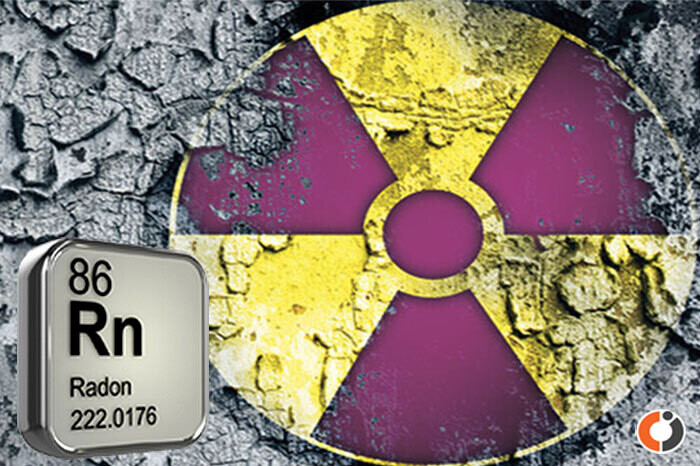
Radon Testing Without a Home Inspection
You Can't See, Smell, or Taste Radon.
Testing Is the Only Way to Know Your Radon Level.
You don't need to be purchasing a home to have it tested for radon. Champion Inspect offers stand-alone radon testing for homeowners, buyers, sellers, landlords, and property owners who want to know the radon concentration within their property.
Radon is a naturally occurring radioactive gas produced by the breakdown of uranium and other radioactive materials naturally present in soil and rock. Radon can enter a home through cracks, construction joints, openings around plumbing and utilities, crawlspaces, and other pathways where the building contacts the ground.
Radon Is a Real Concern in Utah.
According to the Utah Department of Environmental Quality, approximately 1 in 3 Utah homes have elevated radon levels. Elevated radon has been found in new homes, older homes, homes with basements, homes with crawlspaces, and homes built directly on concrete slabs.
The age, appearance, or condition of a home cannot tell you whether elevated radon is present. Two neighboring homes can also have significantly different radon concentrations. Testing is the only way to determine the radon level within a particular home.
Why Test for Radon?
- Radon Is Invisible – Radon cannot be seen, smelled, or tasted, and elevated concentrations cannot be identified during a standard visual home inspection.
- Utah Has a Significant Radon Problem – Approximately one-third of Utah homes tested have elevated radon levels.
- Any Home Can Have Elevated Radon – New construction, older homes, finished basements, crawlspaces, and slab-on-grade homes can all experience elevated radon concentrations.
- Radon Is a Health Concern – Long-term exposure to elevated radon increases the risk of lung cancer. The EPA identifies radon as the second-leading cause of lung cancer in the United States.
- Elevated Radon Can Be Reduced – When elevated levels are identified, properly designed radon mitigation systems can significantly reduce indoor radon concentrations.
Understanding Your Radon Test Results
Radon concentrations are measured in picocuries per liter of air (pCi/L). The U.S. Environmental Protection Agency recommends taking action to reduce radon when the measured concentration is 4.0 pCi/L or higher. Because there is no known completely risk-free level of radon exposure, the EPA also recommends considering mitigation when concentrations are between 2.0 and 4.0 pCi/L.
Professional Radon Testing
Radon concentrations naturally fluctuate throughout the day and can be affected by weather, ventilation, heating and cooling operation, and other conditions. Professional testing is performed using established measurement procedures and appropriate testing equipment to provide reliable information about radon concentrations during the test period.
Short-term radon testing used for real estate transactions is typically conducted for a minimum of approximately 48 hours under appropriate closed-building conditions. Test placement and building conditions are important to obtaining meaningful results.
Already Have a Radon Mitigation System?
A mitigation system does not eliminate the need for testing. Radon levels should be tested after installation of a mitigation system to verify its effectiveness, and periodic testing can help determine whether the system continues to maintain reduced radon concentrations.
Protect Your Home With One Simple Test.
The EPA estimates that radon exposure contributes to approximately 21,000 lung cancer deaths each year in the United States. Radon is the leading cause of lung cancer among people who do not smoke and the second-leading cause of lung cancer overall.
Whether you're purchasing a home, have lived in your home for years, or simply don't know when it was last tested, a radon test provides information you cannot obtain through a visual inspection.
Don't Guess What's in the Air You're Breathing.
Schedule a Champion Inspect Radon Test Today.